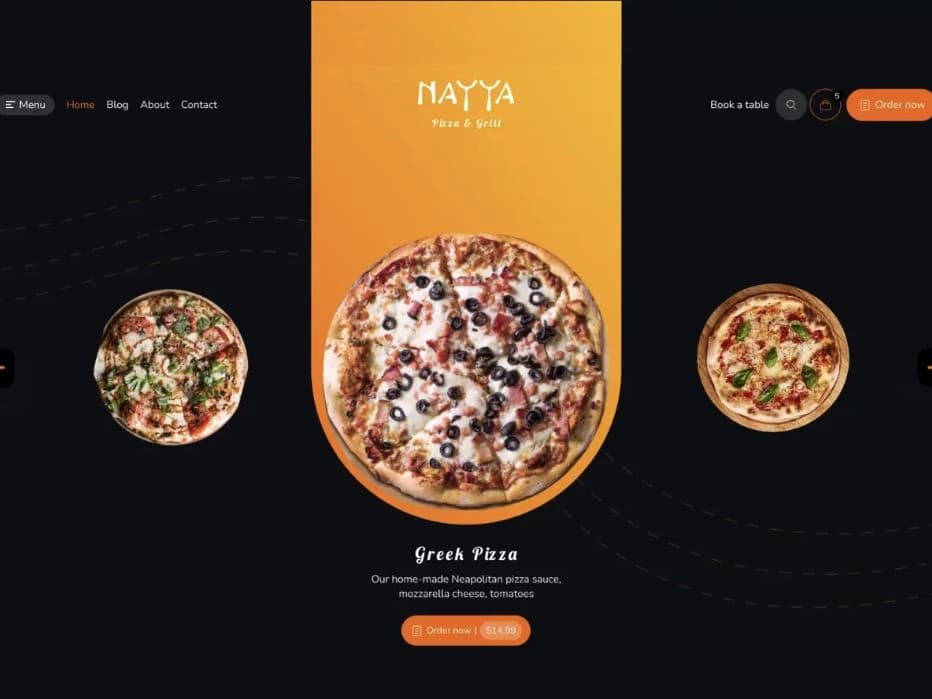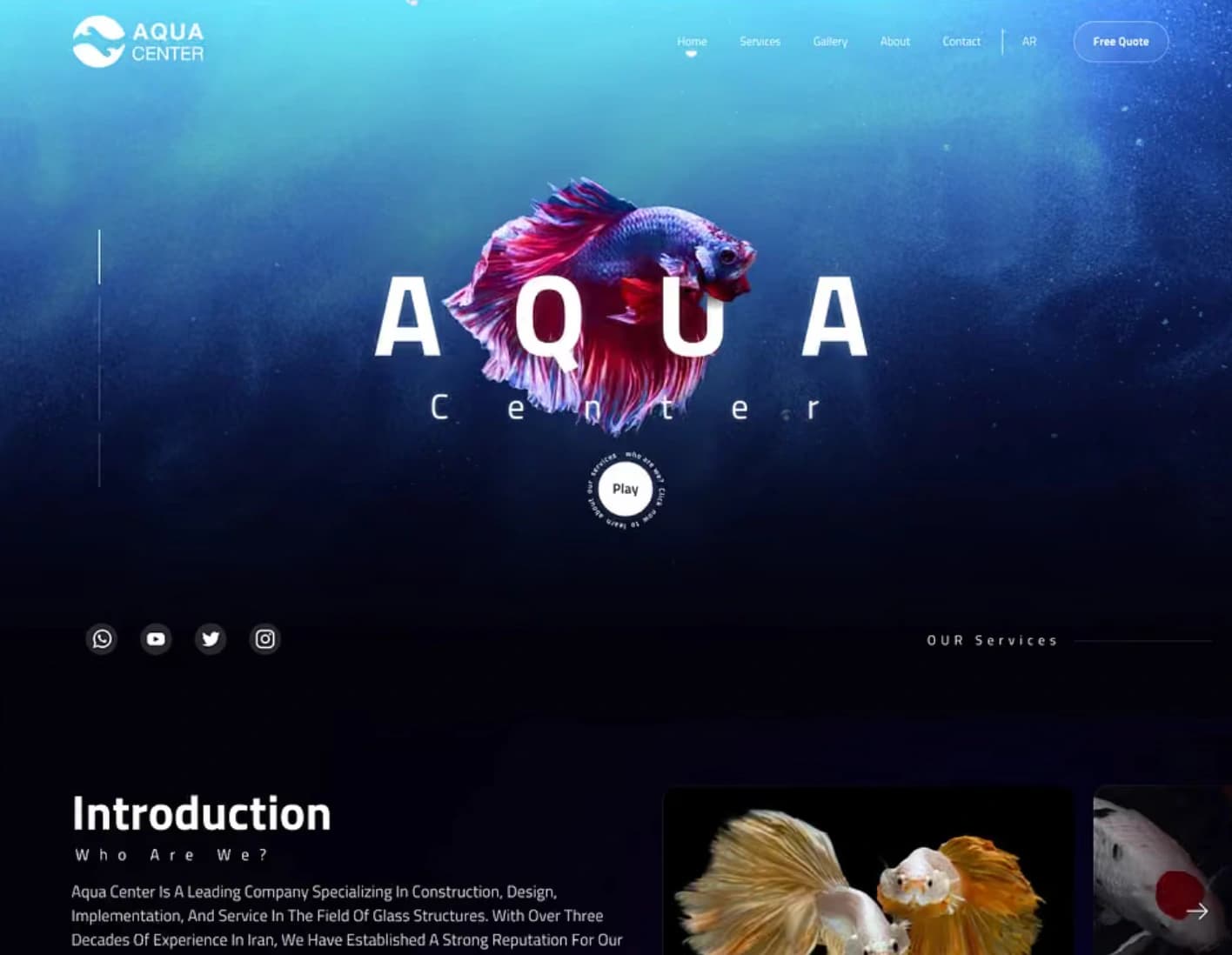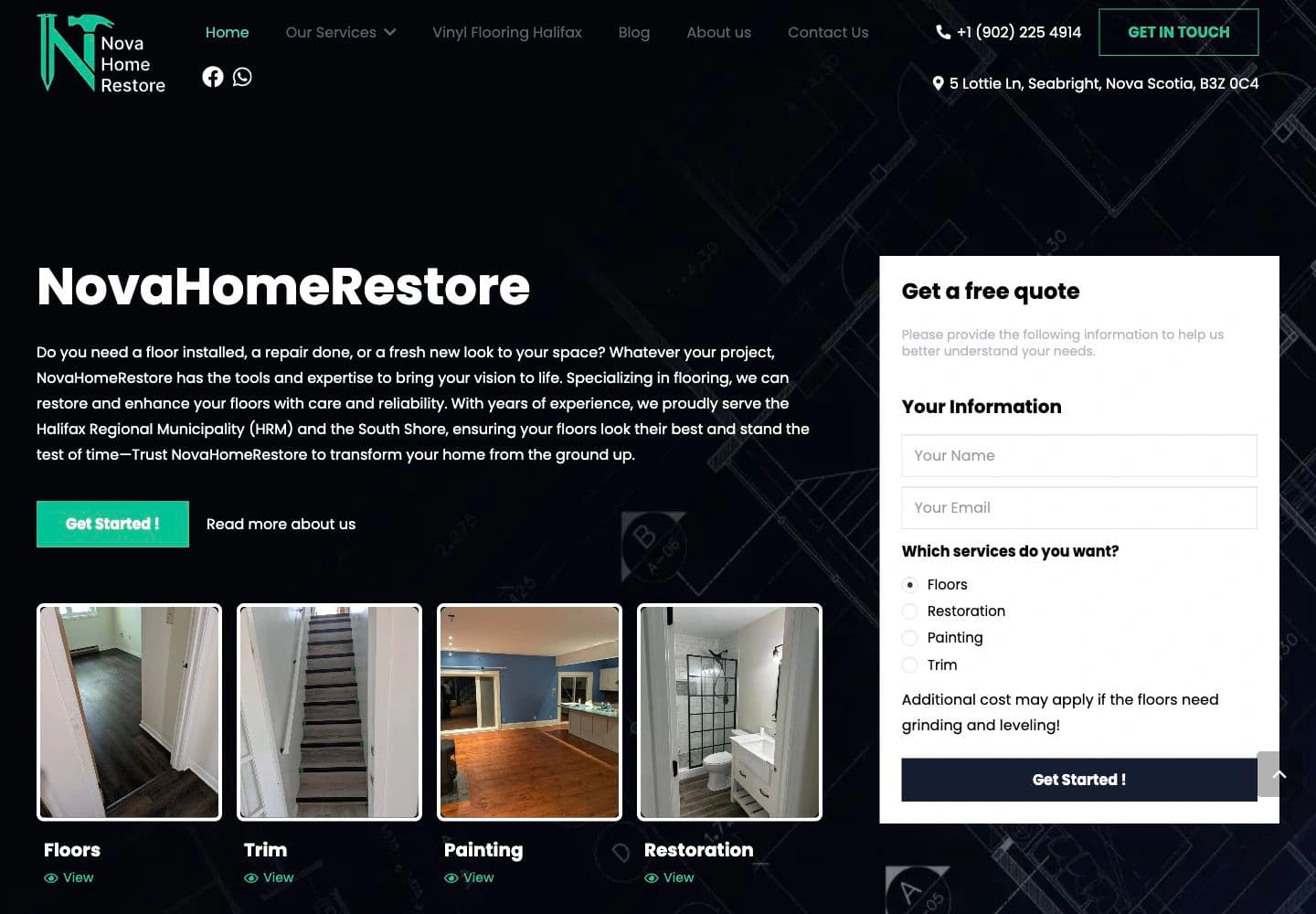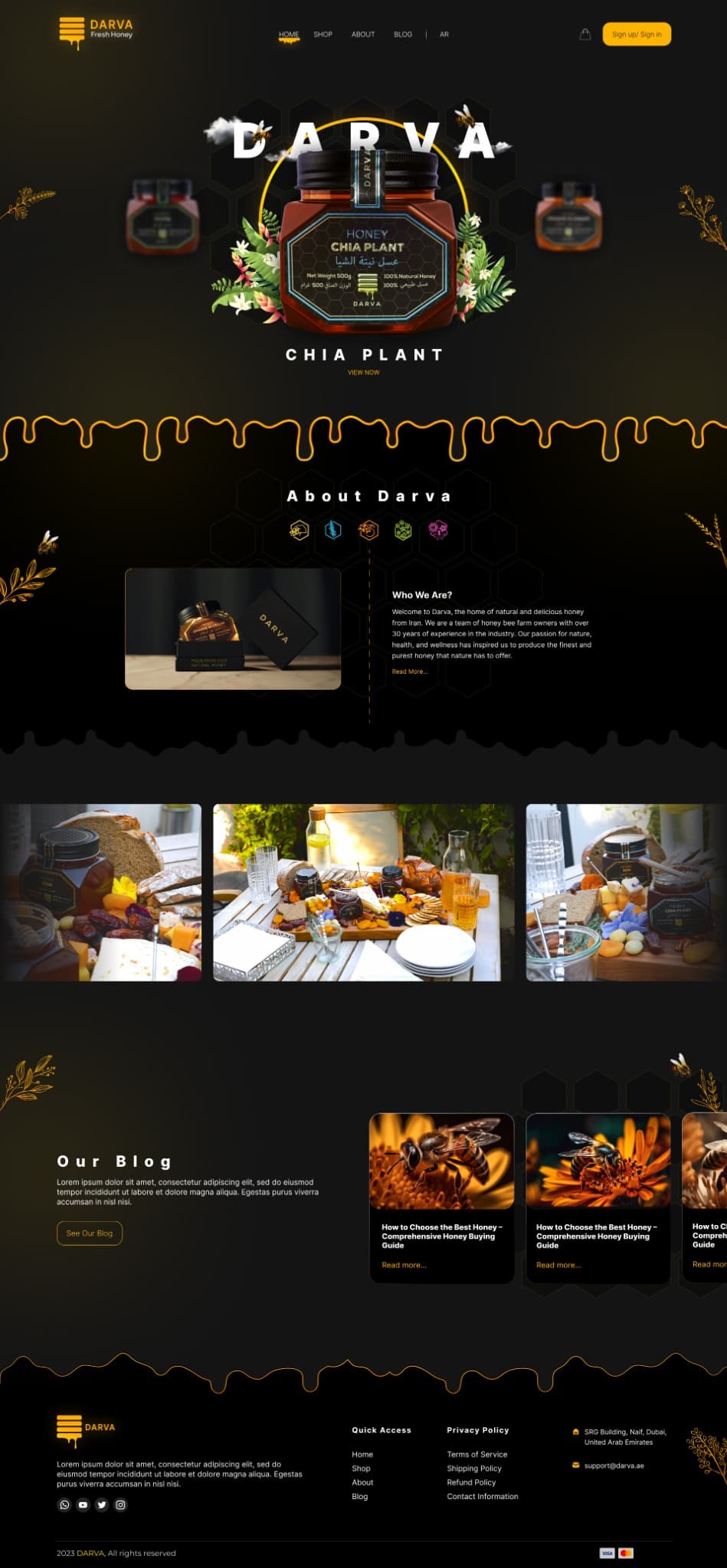
Darva
United Arab EmiratesUI/UX design, web design2023
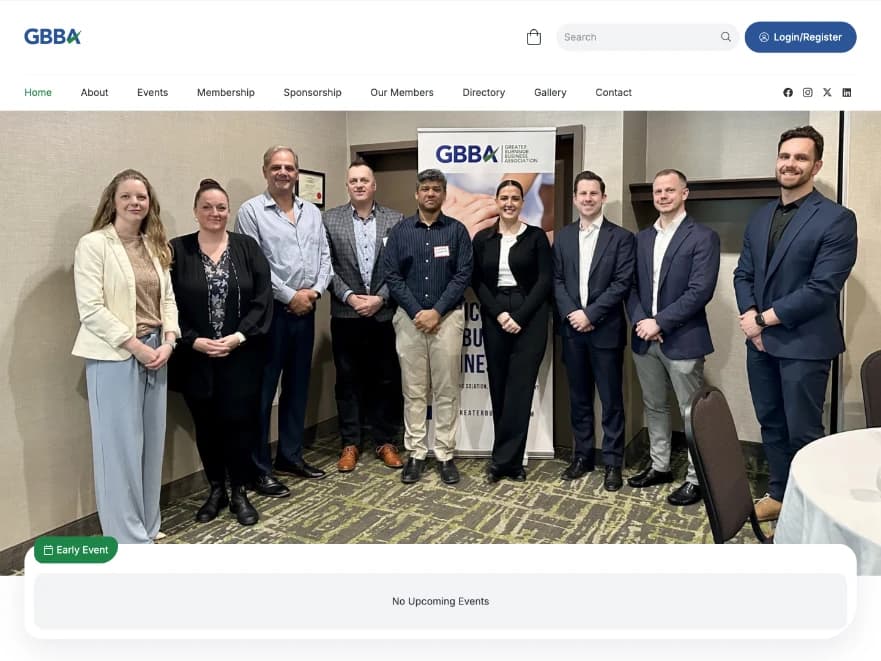
Explore the directory we built for the Greater Burnside Business Association in Dartmouth, then compare website design plans in CAD.
Service businesses that need a credible site and a clear way to get enquiries.
A referral has heard your name and wants to see whether you handle a particular job. A search visitor is deciding between providers in the area. A returning customer needs opening hours, booking or support. A website has to serve those people with a clear order of information. We start by asking which services you want to grow and which decisions visitors should be able to make independently.
Your sales or front-desk team can usually point to the questions that delay an enquiry. Perhaps prospects assume you only work near one office, or they send everything through a contact form that never asks which service they need. We turn those observations into a page plan. Each important page gets a purpose, evidence to support its claims and a next step the business can actually deliver.
For a service business, the priority is often a clear service directory, useful project examples and a short route to an estimate. We separate offerings when customers compare them differently or need to supply different information. If your team works across regions, we make those boundaries explicit and give each genuine location its own page when local details matter.
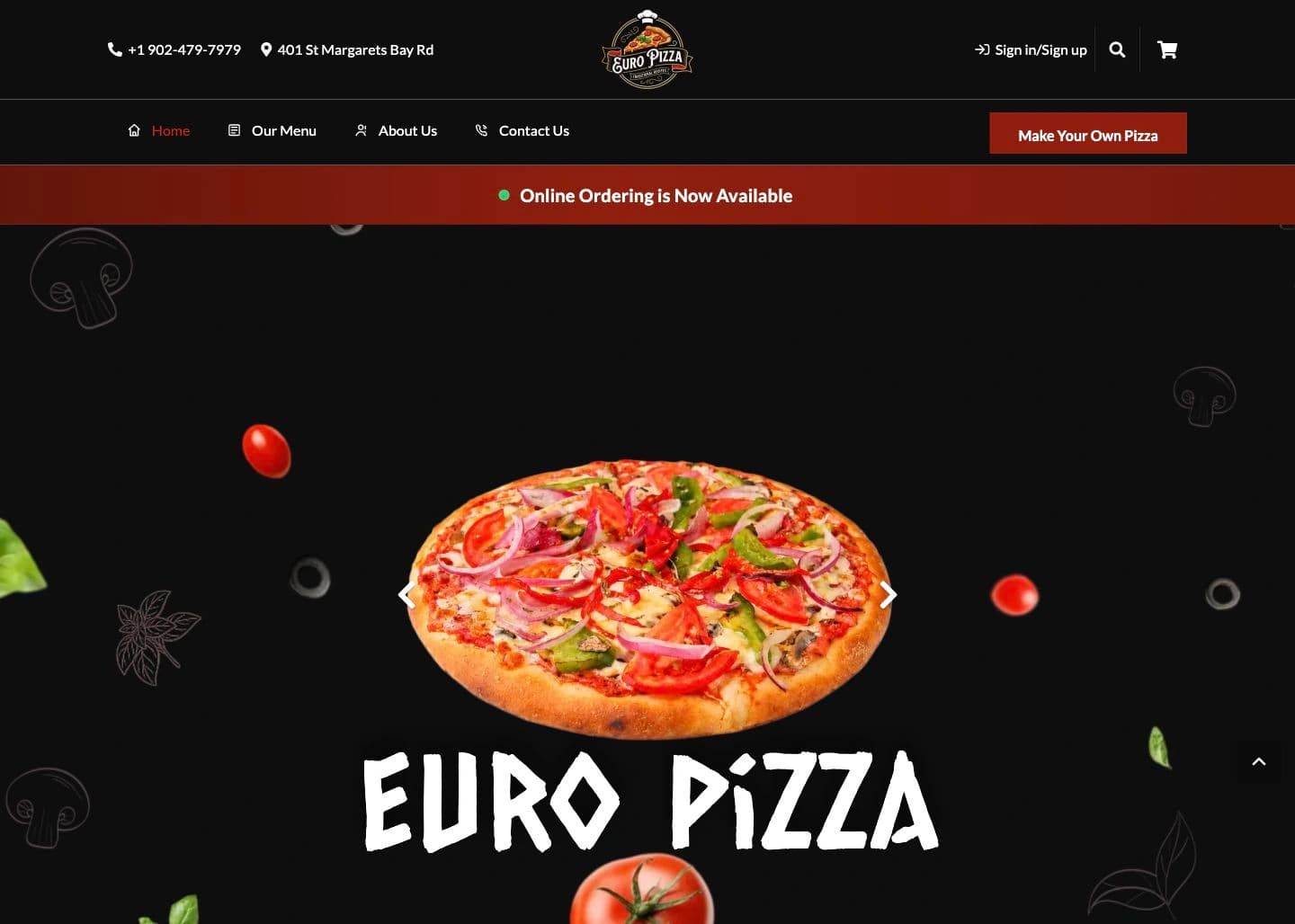
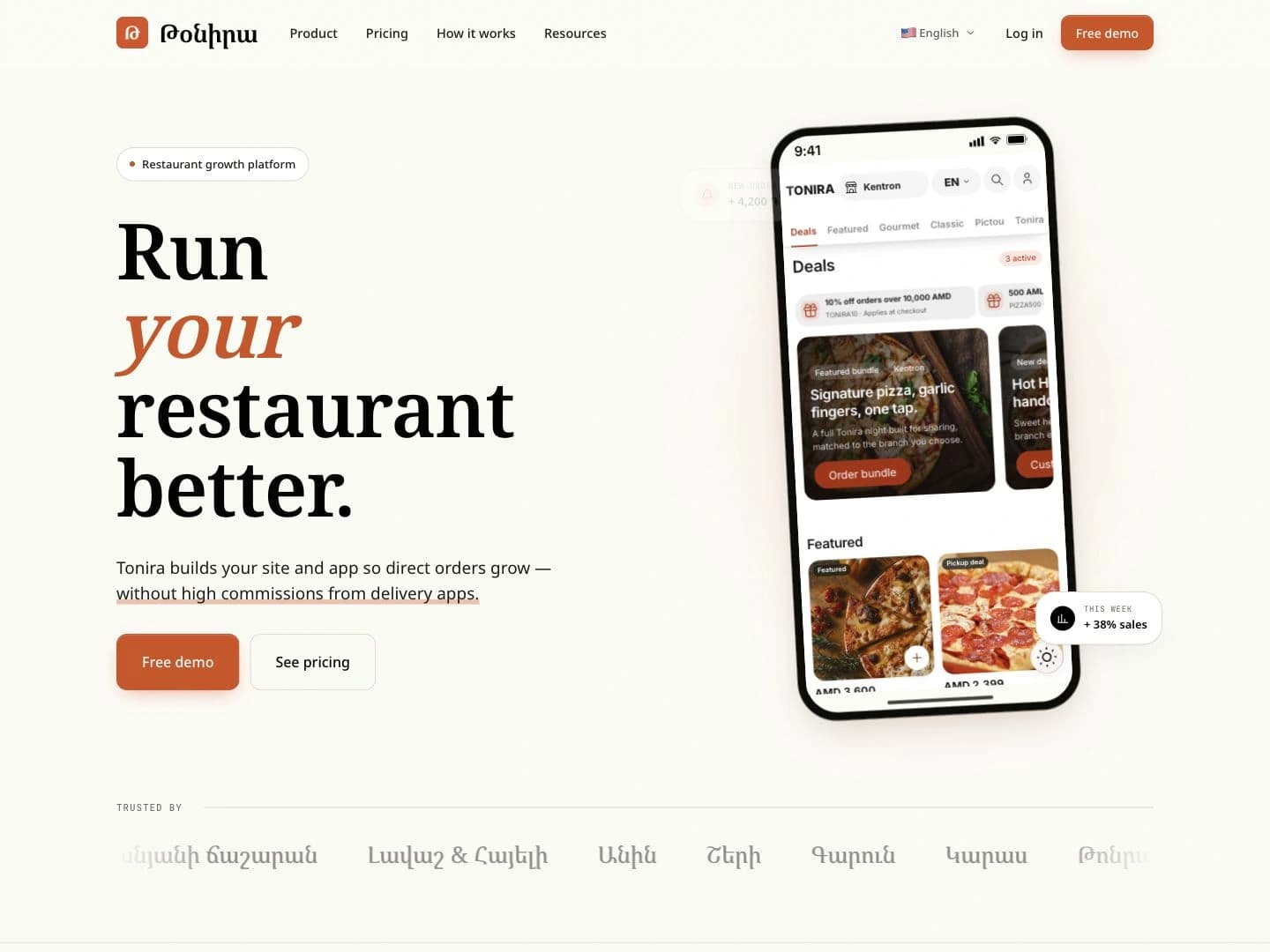
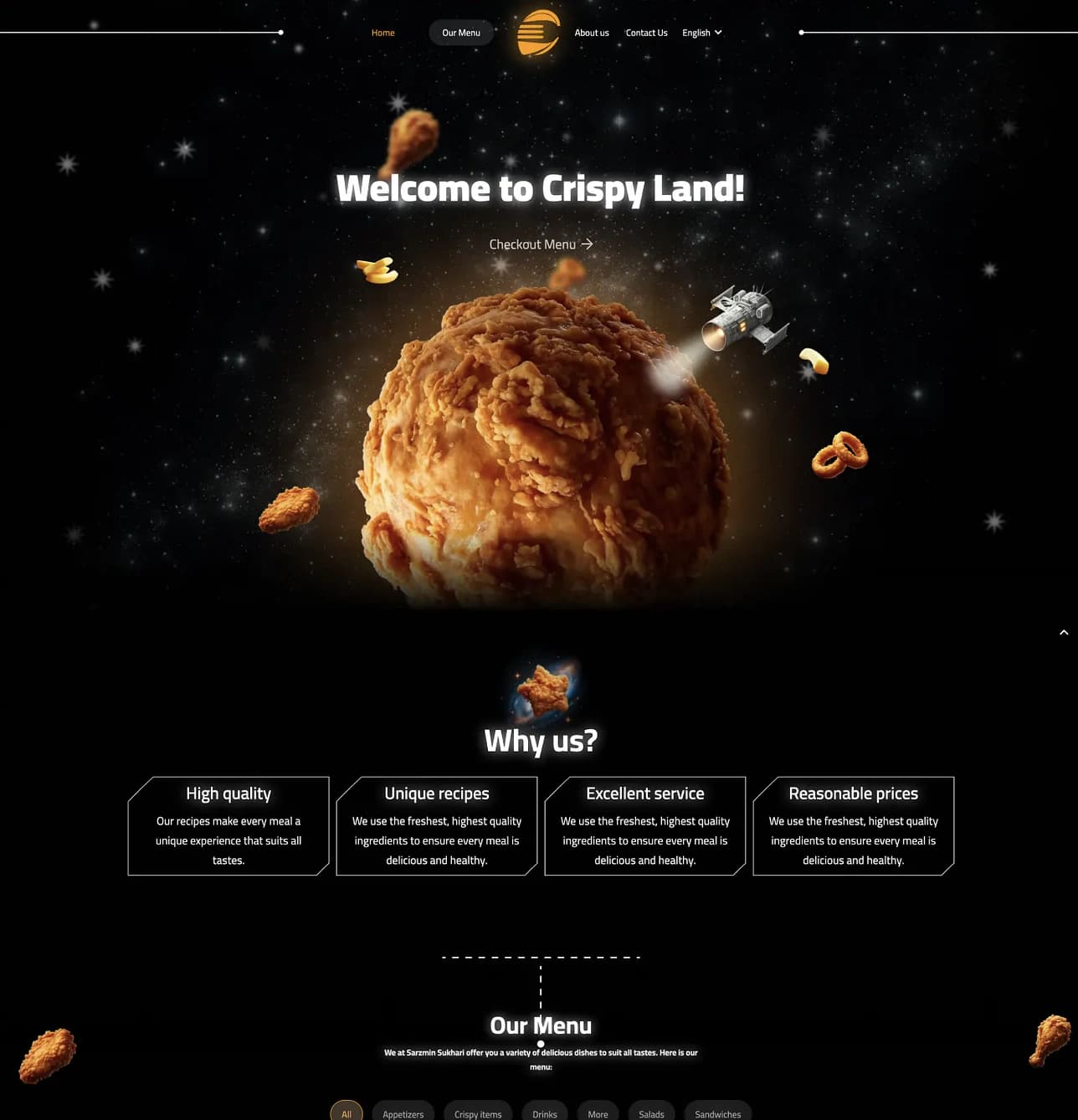
For a restaurant or retailer, the site needs to connect what customers browse with what they can buy today. We work through menus or catalogues, availability, delivery boundaries, returns and the order handoff. If you already have a platform that handles payments or booking reliably, we check its integration options before proposing a custom build. The site should reduce the number of steps your staff have to repeat.
For a business with several divisions, the site needs to route customers without making them learn your reporting structure. We can group services by the problem customers have and use examples to show when a specialist should get involved. The content plan accounts for which team owns each offering and who can keep the public information current.
If staff and customers need a shared tool for orders or bookings, explore our custom web application development service.
We start with wireframes for the pages people depend on. For example, a prospect may move from a service page to a relevant project, then to an enquiry form with enough context to start a useful conversation. Reviewing that journey early makes it easier to identify missing information before we spend time on visual details.
We apply your brand to a small set of reusable page layouts. They cover common needs such as a service detail, location, article or case study. Your team can see how headings, images, buttons and forms work with real content at phone and desktop sizes. We check labels, keyboard use, readable contrast and how pages behave when a customer zooms in.
We select the platform with your team. We ask who edits the site, how often pricing or locations change, which tools need to connect and who maintains the application. A straightforward editing interface may be essential for a busy operations team. A custom build can make sense when the site needs to handle unusual workflows or tie into a system you already use.
Before development, the proposal identifies which updates your team can do independently and which changes require a developer. We also spell out which third-party accounts and fees the business will manage. If your team needs to update clinic hours, publish a new service or replace seasonal photographs, the handoff should include those exact tasks.
If your team is deciding whether to keep its current platform, start with a website consultation.
Replacing an established site can affect pages people know and links that partners still send. We inventory useful URLs, map replacements and identify content that is worth keeping. For example, a service page may look dated and still answer a question that your best prospects ask. We can improve its presentation and keep its address when it remains the most useful result.
We plan titles, headings, internal links and location details alongside the page structure. Before launch, we check redirects, canonical URLs, the sitemap and crawler access. We also test customer tasks such as opening directions, selecting a location and completing an enquiry. If you want ongoing improvements for search or AI answers after launch, we scope that work separately.
Working across Canada does not mean every page needs a Canadian city name. A company may offer one service across the country and another only where it has installers. We make the distinction clear on each relevant page. If you serve customers in English and French, we plan the language structure and arrange for people familiar with your market to review translations before publishing.
We price in Canadian dollars. A focused business website starts at CA$1,300 plus tax. Pages, writing, integrations, translations and migration work determine the final estimate. We explain what happens at each approval, what you need to provide and what your team receives at handoff. Let us know if you have a fixed launch date, an existing contract or a system we need to keep.
Ask what happens after the first week, when your team starts to use the site without someone from the project on every call. We list the accounts and suppliers involved, show the people doing the updates where to find instructions, and explain what to check when an integration stops working. If you have internal IT, we can plan the handoff with them so access and responsibilities are clear.
Some sites can launch in phases. For example, if the booking integration depends on a new vendor, you might launch approved service and location pages first and keep the existing appointment link until the new flow has been tested. We agree on what must be ready for launch and which items can wait without confusing visitors. That gives the project a clear finish while leaving room for later work.
When you ask for an audit, tell us which parts of the site your team wants to keep. The useful outcome is a list of decisions you can make with the people who will maintain the website.
Yes. We can review the pages and systems that work today and estimate focused fixes. A rebuild makes sense when the existing platform or structure prevents the most important changes.
Yes. We can work with your brand guidelines, drafts and approvals. We agree on who owns copy, design, development and review so decisions do not stall.
Yes. We confirm which pages and assets are in scope, agree a redirect map for URLs that change, and test the important links before and after launch.
The proposal identifies the code, content, accounts and licences that belong to your business and which vendor terms apply. We agree on access and handoff before you approve the project.