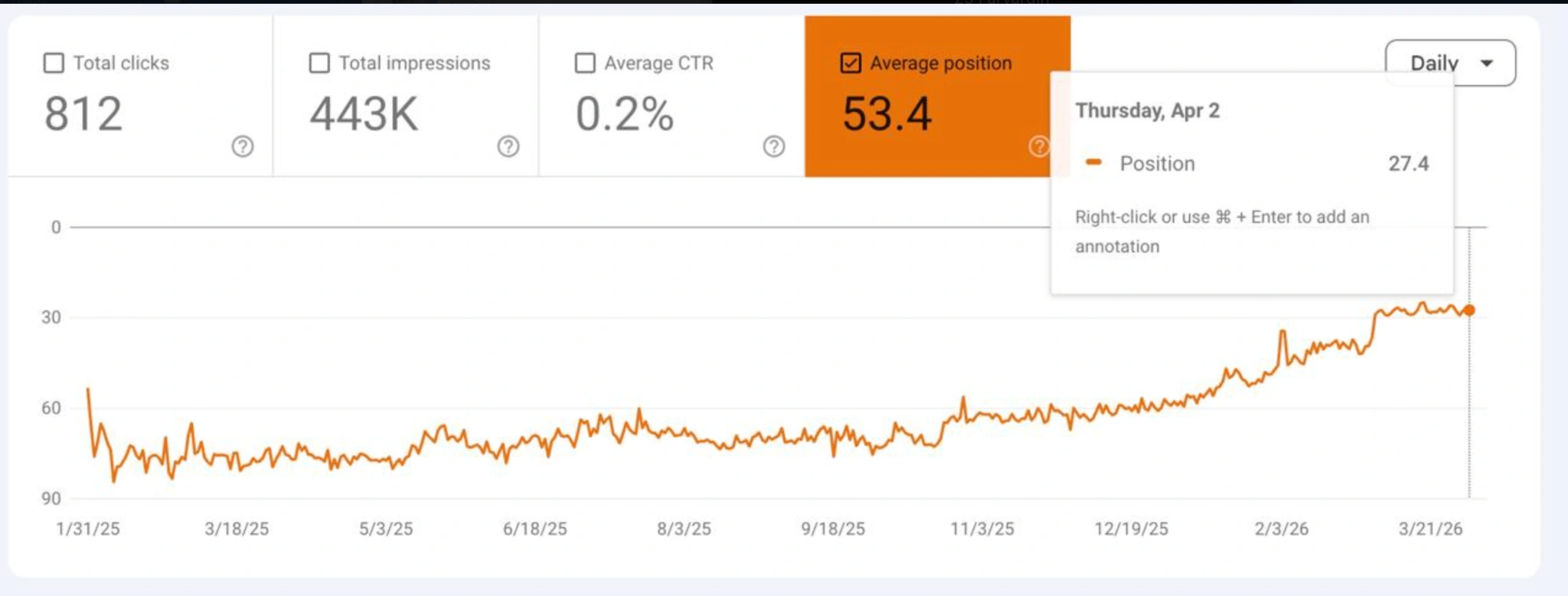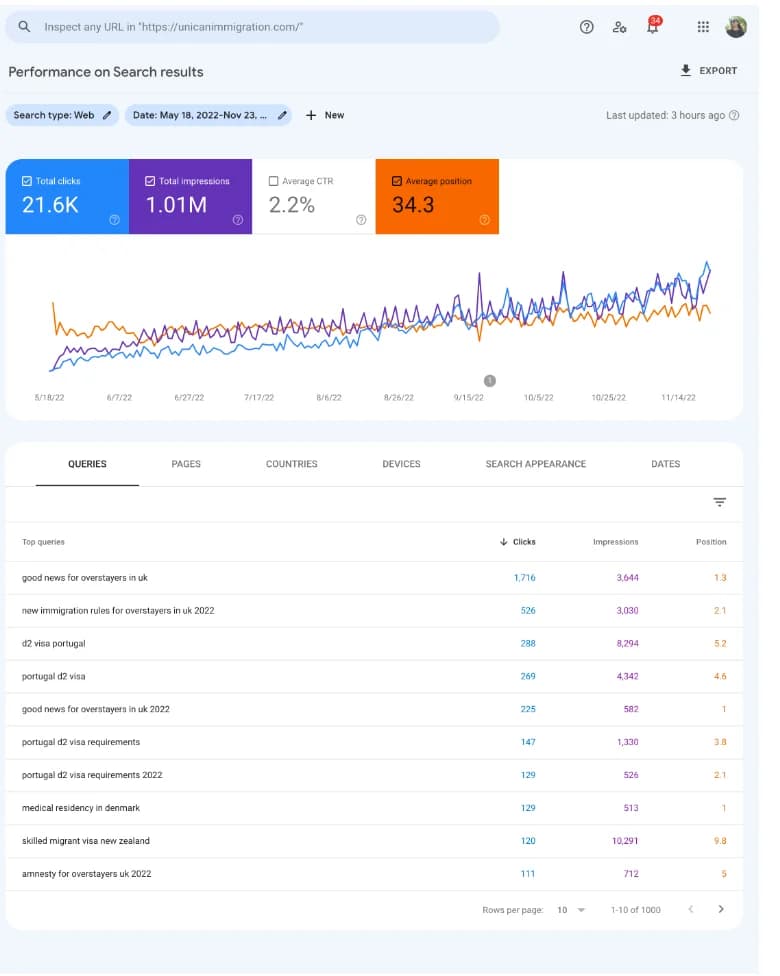
Unican Immigration search visibility
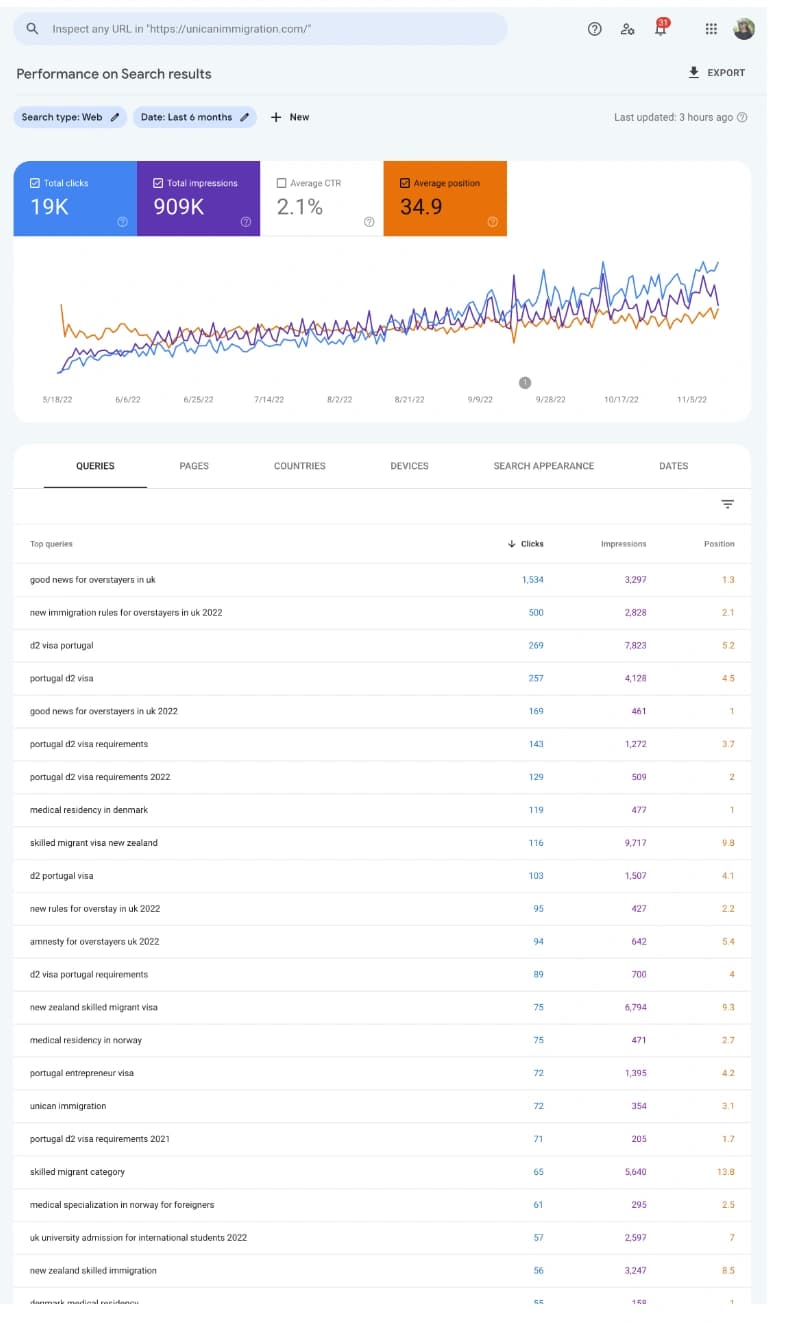
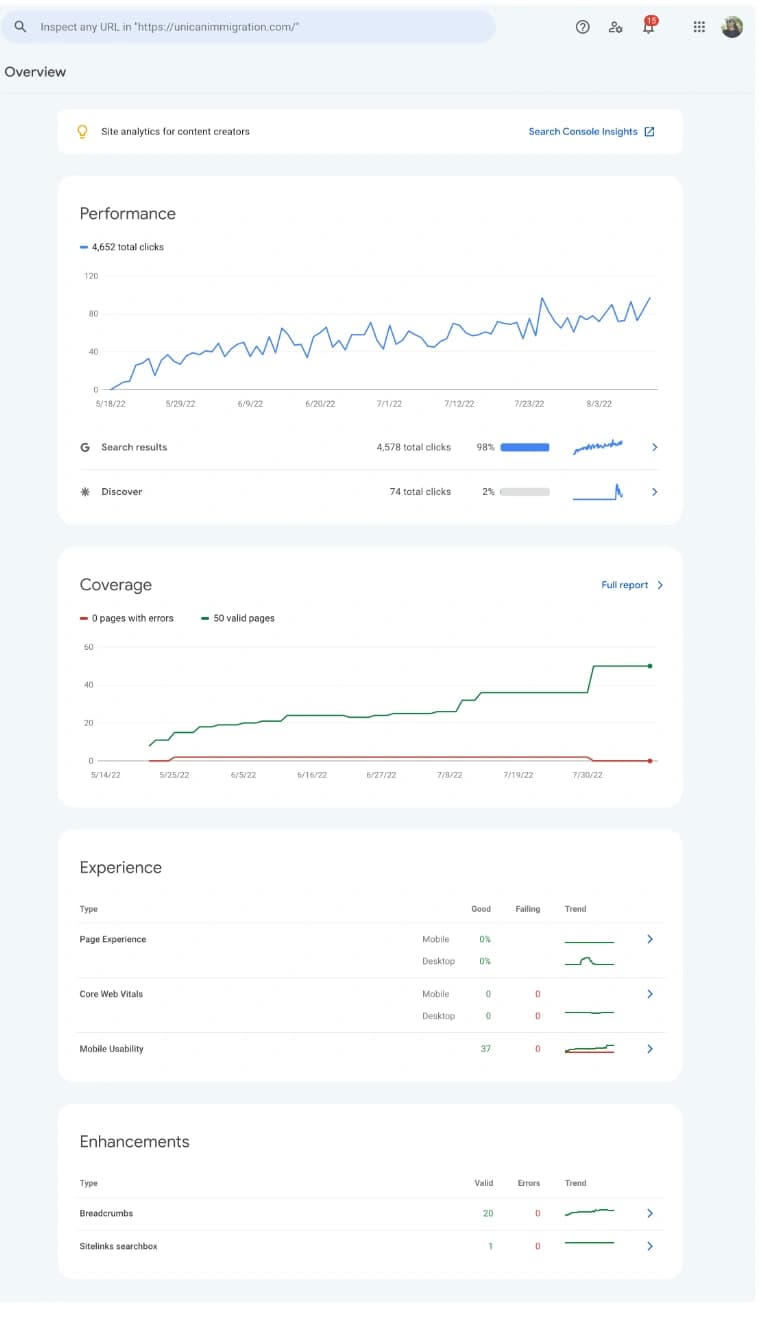
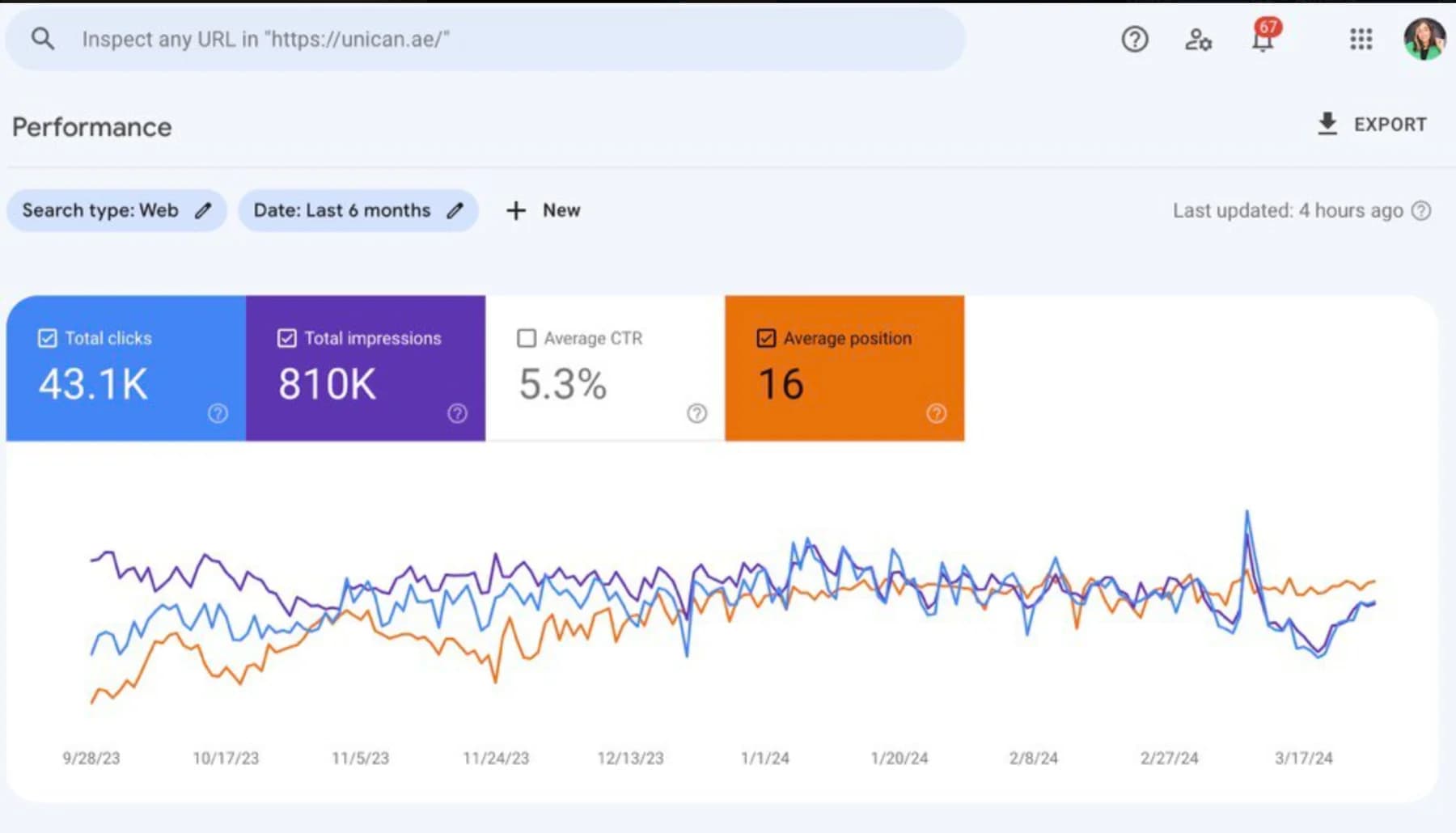
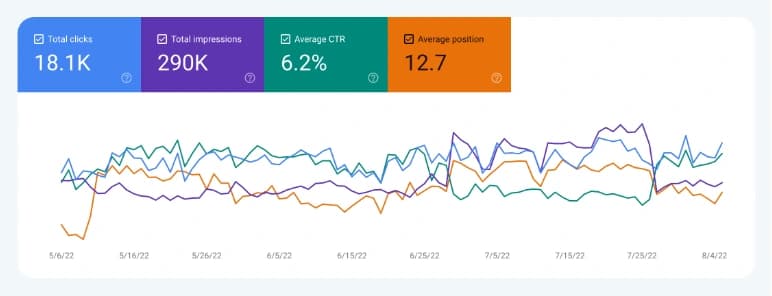
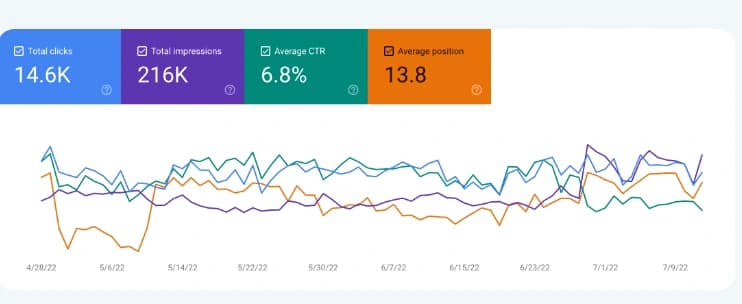
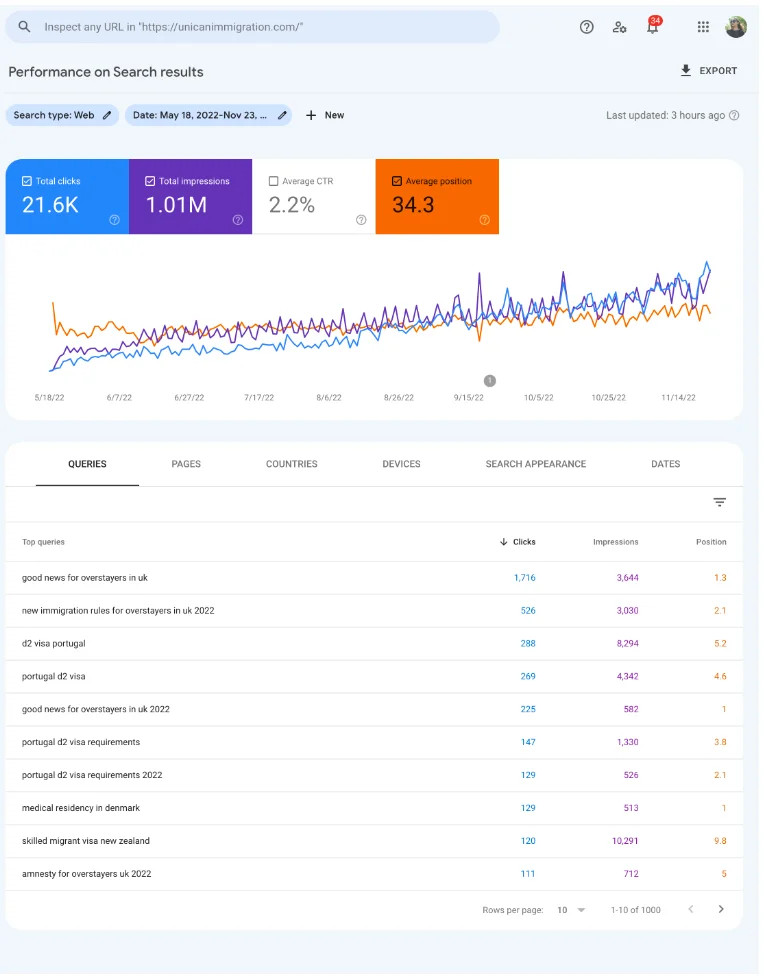
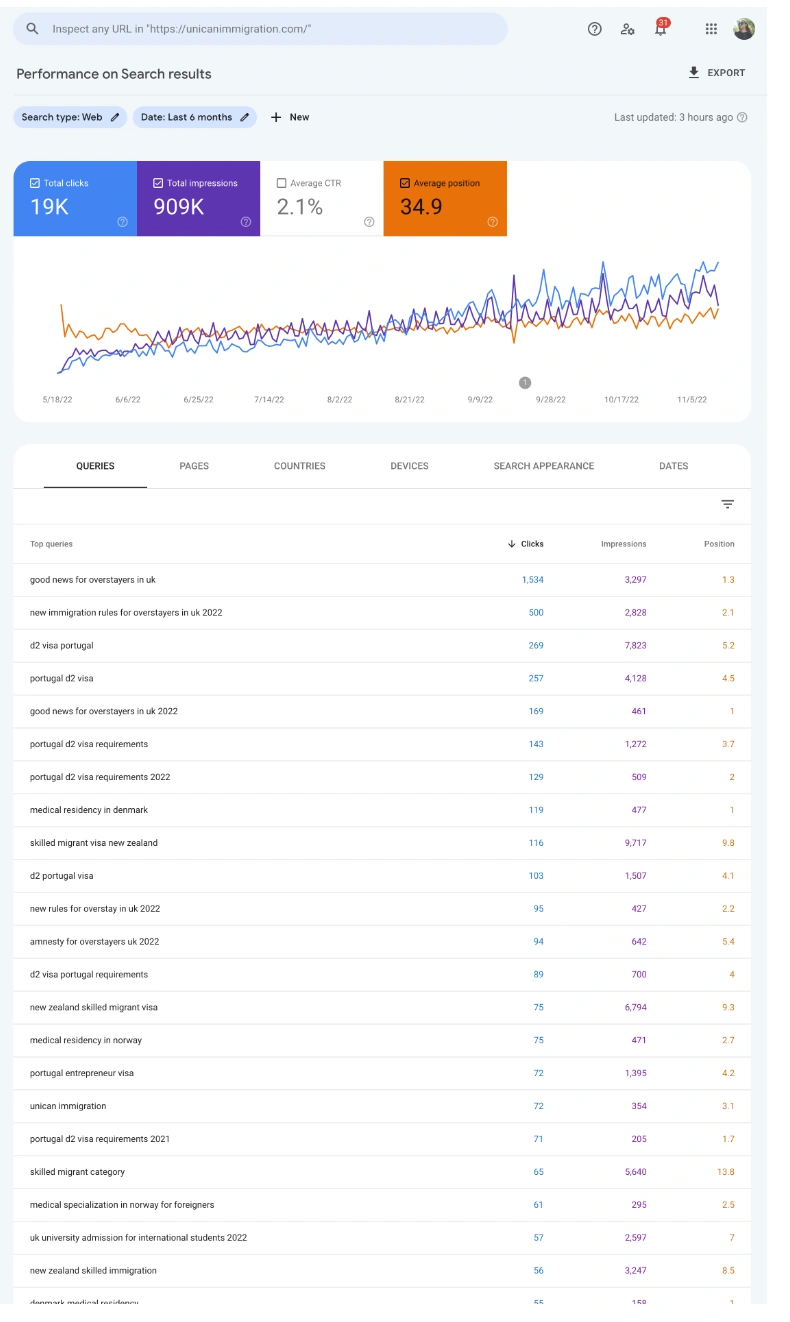
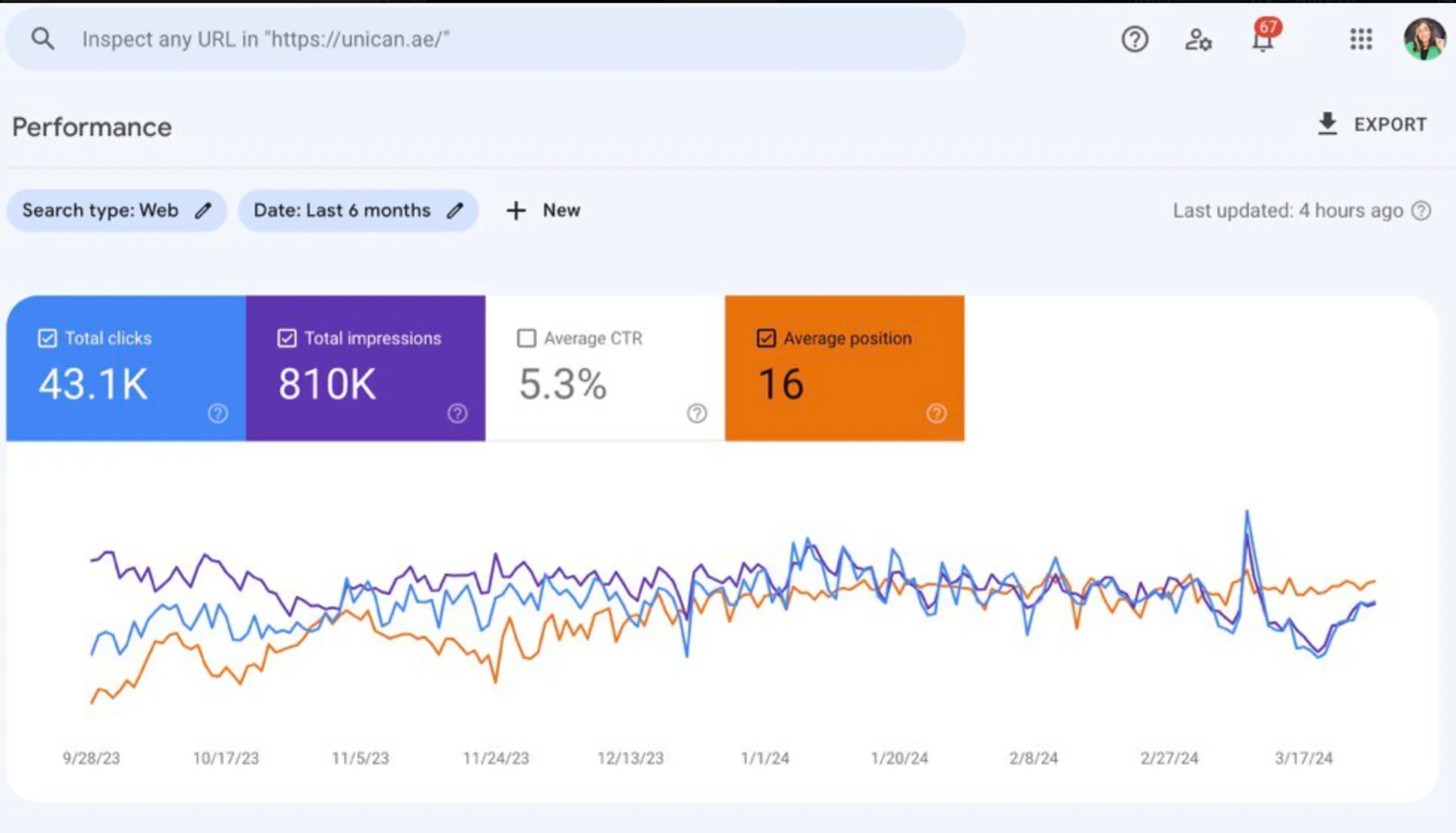
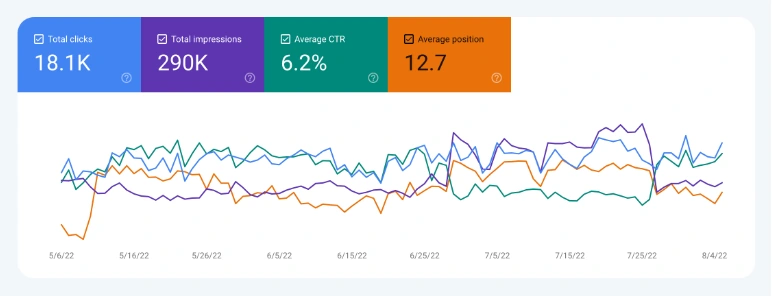
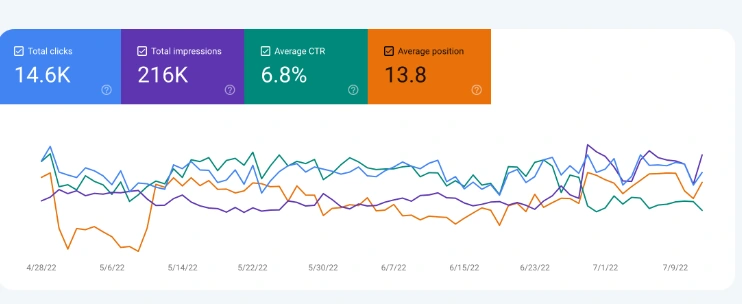
Search Console recorded 21.6K clicks and 1.01M impressions during the period shown.
Our SEO specialists in Canada help established businesses find what holds their sites back in search and prioritise changes they can put into practice.
One-location businesses that need a stronger local search presence.
Established teams ready to improve visibility across several services.
Multi-location businesses or teams entering a competitive market.
A business can serve customers nationwide while only some of its services apply in each province. A company with several branches may have a shared brand and very different local operations. We start by identifying which services, locations and customer types matter most. That gives us a basis for deciding where a visibility problem is worth fixing and where a page needs clearer information.
We review the pages your business already has and the questions prospects ask before buying. A national distributor might need detail about shipping restrictions and account requirements. A business with several clinics might need a distinct page for each office where hours and services differ. Those are different search jobs, and the site structure should reflect that difference.
We examine where search engines can reach the website, which URLs they treat as duplicates and where navigation creates dead ends. We look for redirect chains, discrepancies between canonicals and the sitemap, and important pages isolated from the rest of the site. If a redesign is planned, we use that audit to make a practical migration map while the old site is still available.
Each recommendation comes with the page or template involved, why it matters and how to verify the fix. We identify work your content team can do and changes that need a developer. A single broken rule across a group of location pages can matter more than dozens of minor title edits. We agree on the order before asking anyone to make changes.
For multi-location businesses, we review Google Business Profiles alongside the website. Each profile should point to the most useful page and reflect the real operation: hours, contact details, categories and the options available at that location. We keep the organisation’s identity consistent while making local differences easy to see. The team that knows the location verifies the details.
Location pages should help a customer decide where to go or who to contact. A useful page might explain directions, the services available on site and what to bring to a first visit. If several areas are served by the same team and the service is identical, a clear regional page often gives customers more useful information than a collection of near-identical city pages.
We can help set up a practical review process for locations that take customer feedback. We use the appropriate review link, ask for honest feedback and explain who can respond. When a pattern in genuine reviews shows a mismatch between the site and the customer experience, we take that back to the business. Buying reviews or promising a higher rating would undermine the work.
We map service and category pages to buying questions. Prospects may want to understand what you can deliver, which industries you serve, how purchasing works and whether the team can support them after purchase. We use the language those customers use while giving sales or operations a chance to confirm that the answers are accurate.
An editorial plan should account for maintenance. Updating a helpful service page can be more valuable than publishing another broad article. We look for existing pages that can share evidence, examples or clearer service boundaries. For bilingual sites, we consider how English and French pages relate and whether each version gives readers a complete answer in language natural to the market.
We review which websites link to your business and where those links send readers. We then identify a page worth promoting and look for trade publications, associations and industry partners whose audiences could use it.
We design and run outreach campaigns around that page. For a buyer’s guide, for example, we pitch the questions it answers to relevant editors and follow up. We report which publishers we contacted, which ones linked to the guide and, where referral data is available, how many visits those links brought.
AI answers sometimes reference a company’s website, a business listing or a third-party source. We look for places where those sources give different answers about what a business does or where it works. We can improve the pages you own and identify relevant organisations, partners or publications that have a legitimate reason to mention your work.
When AI visibility is in scope, we check a defined set of useful questions, document what appears and identify the sources cited. A sample is a snapshot. Two people can receive different answers, and a service can change how it builds results. We focus on accuracy and discoverability, with no promise of appearance, position or citation.
We start with an audit, dates for reviewing the findings and a short list of changes to make first. Depending on the site, that could be a crawl fix, a revised location template or better information on a service that already attracts interest. When multiple teams are involved, we agree who approves writing and who can publish changes across the affected pages.
Ongoing work starts at CA$900 per month plus tax. The proposal reflects the number of locations, the condition of the site, and how much content and implementation support you need. Each month we explain what shipped, what we observed and what we recommend next. Bring the services you want to grow, the regions you serve and any upcoming website work to the first conversation.
An SEO change that works for one branch can make another branch’s information incorrect. We separate common updates, such as shared service descriptions, from facts individual offices need to verify. We can give a regional lead a short checklist for the pages and profiles they own. They can then confirm opening hours, location names and the correct contact route before anything is published.
We also plan what happens when an office relocates or a service becomes unavailable in a province. Update the pages and profiles that customers already use, confirm the new contact information, and decide where old links should point. If a change affects more than one source, we make a short inventory of the places that need attention so customers do not keep finding two conflicting sets of instructions.
For seasonal businesses, we account for when customers start looking, which pages will need to be maintained and which updates depend on other teams. Preparing an existing page early is often more practical than publishing a new page after demand has already arrived. We also agree on when that page needs a follow-up review, so outdated availability or instructions do not stay visible after the season ends.
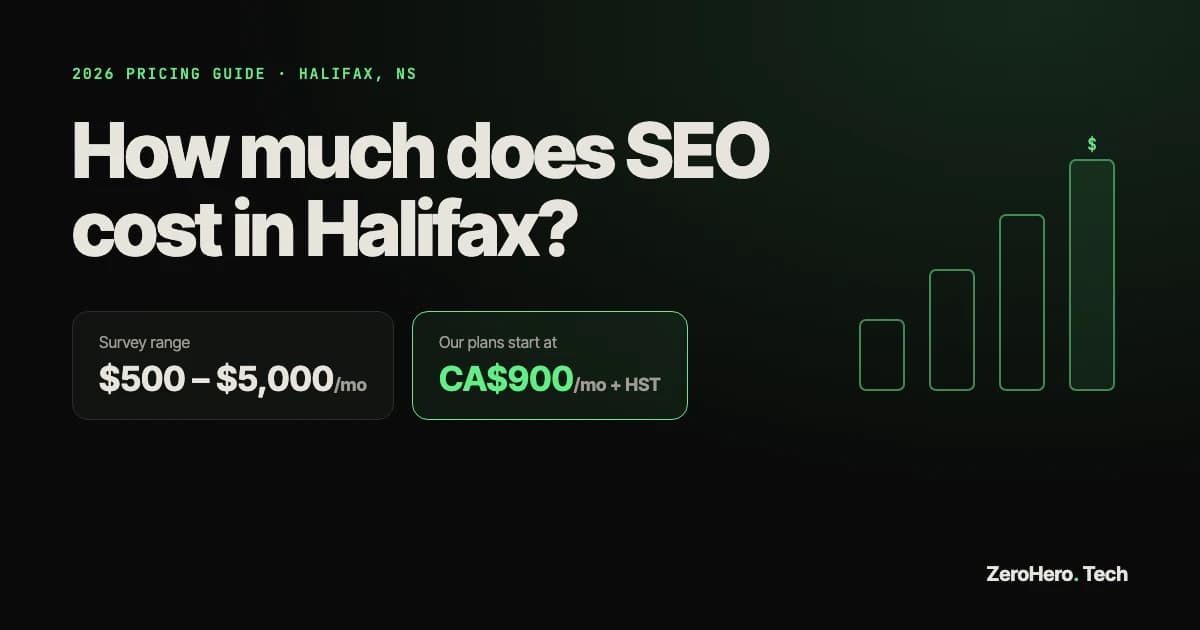
SEO costs in Halifax for 2026: monthly retainer ranges, hourly rates, package tiers, what drives the price, HST, and the CAD prices we publish.
Local SEO services help nearby customers find and contact you through Google Maps and search. They cover your business profile, website, listings and reviews.
Your competitor shows up in ChatGPT and you don't? Here are the 7 most common reasons, how to test it yourself, and a fix plan for Canadian businesses.
No. Create a local page when you can give customers useful, distinct information about a real location or service. Use country-wide or regional pages for offers that work the same way across those areas.
Yes. We review the shared website structure and the profiles and pages for individual offices. We agree on which updates can be applied centrally and which need review from local staff.
The two channels reach customers in different ways and on different timelines. We discuss what organic search can support and keep the scope and costs separate from advertising.
No. We can show which changes we make and why. Search results depend on the platform, the query, location and competitors.